Master's Thesis titled "Human Condition Monitoring System with Remote Data Collection and Analysis" is dedicated to the development of a modern hardware-software complex for medical monitoring. The goal of the work is to create a system capable of measuring human physiological parameters such as pulse, oxygen saturation, temperature, blood pressure, glucose level, and electrocardiogram (ECG), with subsequent data transmission to a remote server for analysis.
The thesis includes a review of modern methods for monitoring physiological parameters, as well as data transmission and storage systems. The selection of hardware components, such as sensors, a microcontroller board, and wireless communication modules, is substantiated. To ensure measurement accuracy and reliability, algorithms for signal processing, including noise filtering and data normalization, have been developed.

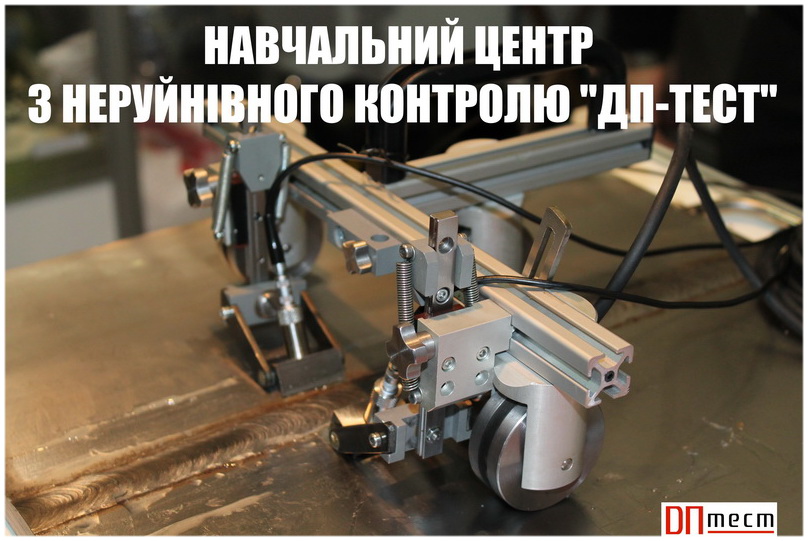
The thesis considers the problem of ensuring the quality of welded joints of titanium sheets with a thickness of 1 millimeter using the magnetostrictive ultrasonic testing method.

The relevance of the study is due to the wide use of titanium alloys in high-tech industries, where high strength, corrosion resistance and low weight of the material are key requirements. However, welded joints of such sheets require special control due to their sensitivity to defects that can negatively affect the reliability of structures. The magnetostrictive method is used to generate ultrasonic waves capable of diagnosing internal and surface defects, such as cracks, pores and under-penetration, without damaging the material. The paper reviews the principles of operation of magnetostrictive transducers, and also conducts experimental studies of the coefficients of the electroacoustic path necessary to substantiate the requirements for the means of pre-processing of magnetostrictive transducer signals. Recommendations for automating the method have been developed to increase the performance of defect detection in thin titanium sheets.

Modern underground heating networks are a critical component of urban infrastructure, and their condition directly impacts energy efficiency and safety. However, detecting damage or heat leaks in these networks is a challenging task due to their underground location and limited accessibility for traditional monitoring methods.
This master's thesis is dedicated to the development and implementation of an automated thermal imaging system for monitoring the condition of underground heating networks. The system combines the use of thermal imaging cameras and automated data processing algorithms to detect temperature anomalies indicating potential damage or heat leaks in the networks.

The master's thesis consists of an introduction, five chapters, conclusions and a list of references. This diploma also contains 144 pages, including 48 figures, 32 tables, and 32 sources.
Relevance of the topic. In today's world, automation and the introduction of artificial intelligence in the healthcare sector are important for ensuring high-quality diagnostics and monitoring of patients' condition. The growing number of diseases, such as cardiovascular, metabolic, and respiratory disorders, requires innovative approaches to their detection and management. Early detection and risk assessment of such diseases can significantly increase the effectiveness of treatment, reduce the workload of medical staff and improve the quality of life of patients. Modern healthcare facilities need systems that can analyse large amounts of medical data, predict disease risks, integrate with existing information systems and support physician decision-making. Given these challenges, the creation of an automated medical monitoring system using intelligent technologies, such as machine learning algorithms, is a relevant and promising area of research.

The master's dissertation comprises an introduction, six main chapters, general conclusions, and a bibliography. The dissertation encompasses 98 pages, 30 illustrations, 29 tables, and 15 references.
Objective and Tasks of the Study. The aim of the dissertation is to develop an intelligent home energy management system. The main tasks of the dissertation include:
- introduction (introduction to the field of application and practical value of the proposed system);

АСНК КПІ ім. Ігоря Сікорського, 2021